Responsible gaming tips every Chicken Road game player should know
Understanding Responsible Gaming
Responsible gaming is essential in ensuring a safe and enjoyable experience for all players. As with any form of entertainment, moderation is key. Understanding the signs of potential gambling problems, such as chasing losses or neglecting other responsibilities, can help players maintain a healthy relationship with gaming. Players should recognize that Chicken Road, like any other game, is designed for enjoyment and not as a means of financial gain. Additionally, players can enhance their experience by exploring the Chicken Road 2 app, which offers helpful tips and resources.

Another important aspect of responsible gaming is setting personal limits. Players can establish specific time and money limits before starting a session. This proactive approach can prevent impulsive decisions, which often lead to regrettable outcomes. By having a clear understanding of what they are willing to spend and how long they wish to play, individuals can better manage their gaming habits. The Chicken Road 2 game, in particular, encourages mindful play among its users.
Additionally, creating a comfortable gaming environment can contribute to responsible gaming. Players should choose a distraction-free setting where they feel relaxed. This focus allows for better decision-making and enhances the overall gaming experience. By approaching Chicken Road with mindfulness and intention, players can enjoy the game while ensuring they keep their gaming within a healthy framework.
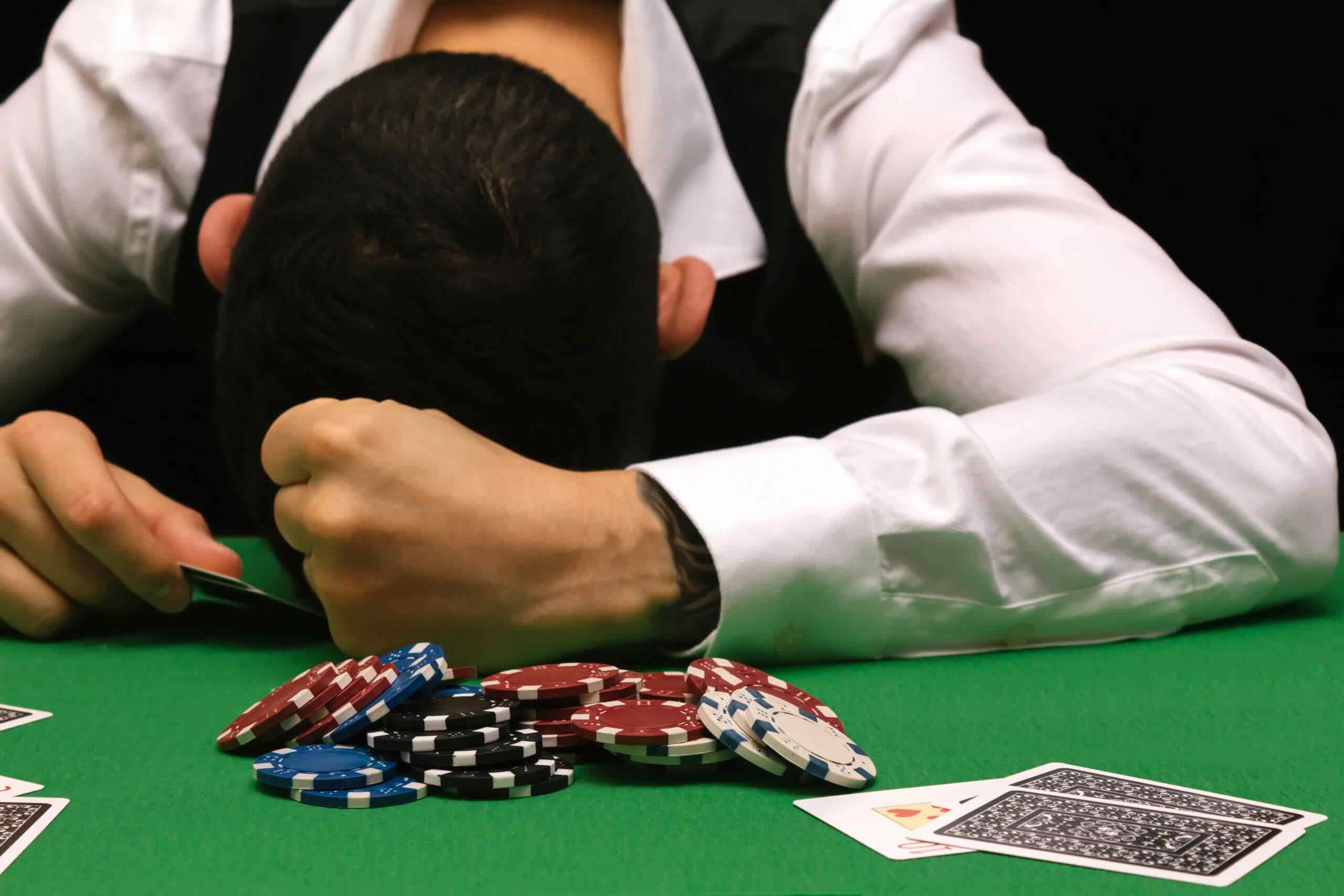
Recognizing the Signs of Problem Gambling
Being aware of the signs of problem gambling is crucial for every player. Symptoms may include spending more time playing than intended, feeling irritable when trying to cut back, or neglecting personal obligations. These behaviors can indicate that gaming has begun to take precedence over other essential aspects of life. Recognizing these signs early can empower players to take necessary action before the situation escalates.
Another common sign of problem gambling is the need to wager larger amounts to achieve the same thrill. Players might find themselves increasingly seeking out Chicken Road in hopes of recouping losses or feeling the same excitement as when they first started. This cycle can be damaging, leading to deeper financial and emotional consequences. Awareness is the first step in breaking free from this unhealthy pattern.
Support systems play a vital role in recognizing and addressing gambling issues. Friends and family can often spot changes in behavior that the individual may overlook. Open discussions about gaming habits and feelings toward gambling can provide insight and lead to healthier approaches. By fostering a supportive environment, players can feel empowered to seek help if needed, reinforcing the importance of responsible gaming.
Setting and Sticking to Limits
Establishing limits is a fundamental aspect of responsible gaming. Players should decide in advance how much time and money they will dedicate to playing Chicken Road. This approach can prevent unexpected overspending and help keep gaming enjoyable. A set budget allows players to fully engage with the game without the anxiety of financial strain, creating a more positive experience.
Moreover, players should adhere strictly to their established limits. Once a player reaches their budget or time cap, it’s essential to stop playing immediately. Ignoring these boundaries can lead to a slippery slope of impulsivity. It can also interfere with other life responsibilities, causing unnecessary stress or tension in personal relationships.
To help stick to these limits, players can use various tools available within the game or the gaming platform. Many platforms offer features that allow players to set notifications or even temporary account restrictions. Utilizing these tools can help players remain aware of their gaming habits and enforce their limits more effectively, fostering a healthier gaming environment.
Finding Balance in Gaming
Finding balance is crucial for ensuring that gaming remains a fun activity rather than a source of stress. Players should engage in a variety of activities beyond gaming, including hobbies, exercise, and social interactions. By incorporating diverse interests into their lives, players can avoid excessive gaming and maintain a well-rounded lifestyle.
Additionally, scheduling regular breaks during gaming sessions can enhance focus and enjoyment. Spending too much time in front of the screen can lead to fatigue and decreased satisfaction. Taking breaks allows players to recharge and reflect on their gaming experience, ultimately leading to more mindful and responsible gaming practices.
Another vital aspect of balance is recognizing when to seek help. If gaming feels like a struggle rather than enjoyment, it might be time to reassess. Players can reach out to professional resources or support groups designed to assist individuals facing gaming challenges. Acknowledging the need for help is a strong step toward a healthier gaming relationship.
Engaging with the Chicken Road Community
Engaging with the Chicken Road community can enhance the gaming experience while promoting responsible habits. Players can connect with others who share similar interests, allowing for discussions about strategies, experiences, and tips. This interaction fosters a sense of belonging, reducing feelings of isolation often associated with excessive gaming.
Participating in community events or forums can also provide opportunities for learning about responsible gaming practices. Many seasoned players share their insights and experiences, which can help newcomers navigate the game more responsibly. By actively engaging in discussions, players can develop a deeper understanding of responsible gaming concepts.
Ultimately, the Chicken Road community serves as a support system that encourages positive gaming experiences. By sharing successes and challenges, players can collectively promote a culture of responsible gaming. This sense of camaraderie reinforces the idea that gaming should be about fun and connection, not solely about competition or financial gains.